
Are you looking to create a healthier and more comfortable environment in your home? One crucial but often overlooked aspect is the quality of the air you breathe indoors. We’re often too busy with our lives, and the quality of air in our homes may not be our top priority. However, very poor indoor air quality can lead to various health concerns. These can range from allergies and respiratory problems to even long-term illnesses. It’s not just caused by pests or pollution from outside. In fact, the air inside our homes can be even more polluted than the air outside. The good news is that you’ll have the ability to improve indoor air quality and breathe easier and better at home without spending a fortune. But how? Let’s find out.
Increase Ventilation
 If you’re constantly coughing while at home, you might have bad indoor air. In this case, increasing ventilation in your home can do wonders. Proper ventilation helps to reduce the concentration of pollutants and allergens in the air, creating a fresher and cleaner environment for you and your family. Opening windows and doors regularly allows fresh air to circulate throughout your home, flushing out any stagnant or polluted air. This simple yet effective step can elevate the overall quality of the indoor air you breathe at home. If opening windows is not feasible due to weather conditions or outdoor pollution levels, consider using exhaust fans in bathrooms and kitchens.
Use Air Purifiers
Air purifiers aren’t just a marketing gimmick. These devices can really help us breathe cleaner and fresher air at home by filtering out pollutants and allergens from the air. Air purifiers come in various types, such as HEPA filters or activated carbon filters, each designed to target specific particles like dust, pet dander, pollen, or odors. By choosing the right type of air purifier for your needs, you can effectively reduce airborne contaminants in your living spaces. Placing an air purifier in commonly used areas like the bedroom or living room can help ensure that you are breathing cleaner air where you spend most of your time. Additionally, running the air purifier consistently on a low setting can maintain optimal indoor air quality throughout the day.
Keep Floors and Cushions Clean
Did you know that dust, pet dander, and other particles can easily accumulate on these surfaces, leading to poor air quality in your home? However, simple regular vacuuming with a HEPA filter can help remove these allergens from carpets and rugs. Additionally, washing cushion covers and throw blankets frequently can prevent dust mites from settling in. Opting for hard flooring options like wood or tile instead of wall-to-wall carpeting can also make it easier to keep your floors clean. Area rugs that are easy to wash or shake outside can be a good alternative for adding comfort without trapping as many pollutants.
Control Humidity Levels
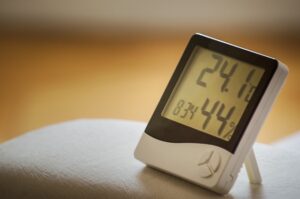 High humidity can also be disastrous. It can result in mold growth and dust mites. This can trigger various allergies and respiratory issues. On the flip side, low humidity levels often easily cause dry skin and throat irritation. To keep humidity levels in check, using a dehumidifier is a must in areas prone to excess moisture such as basements or bathrooms. Make sure to fix any leaks or water damage promptly to prevent mold growth. You can also open windows on nice days to let fresh air circulate throughout your home. Remember that breathing clean air is crucial for your well-being.